
Skin Resurfacing in Fort Mill, SC: How to Prep Your Skin for Fall
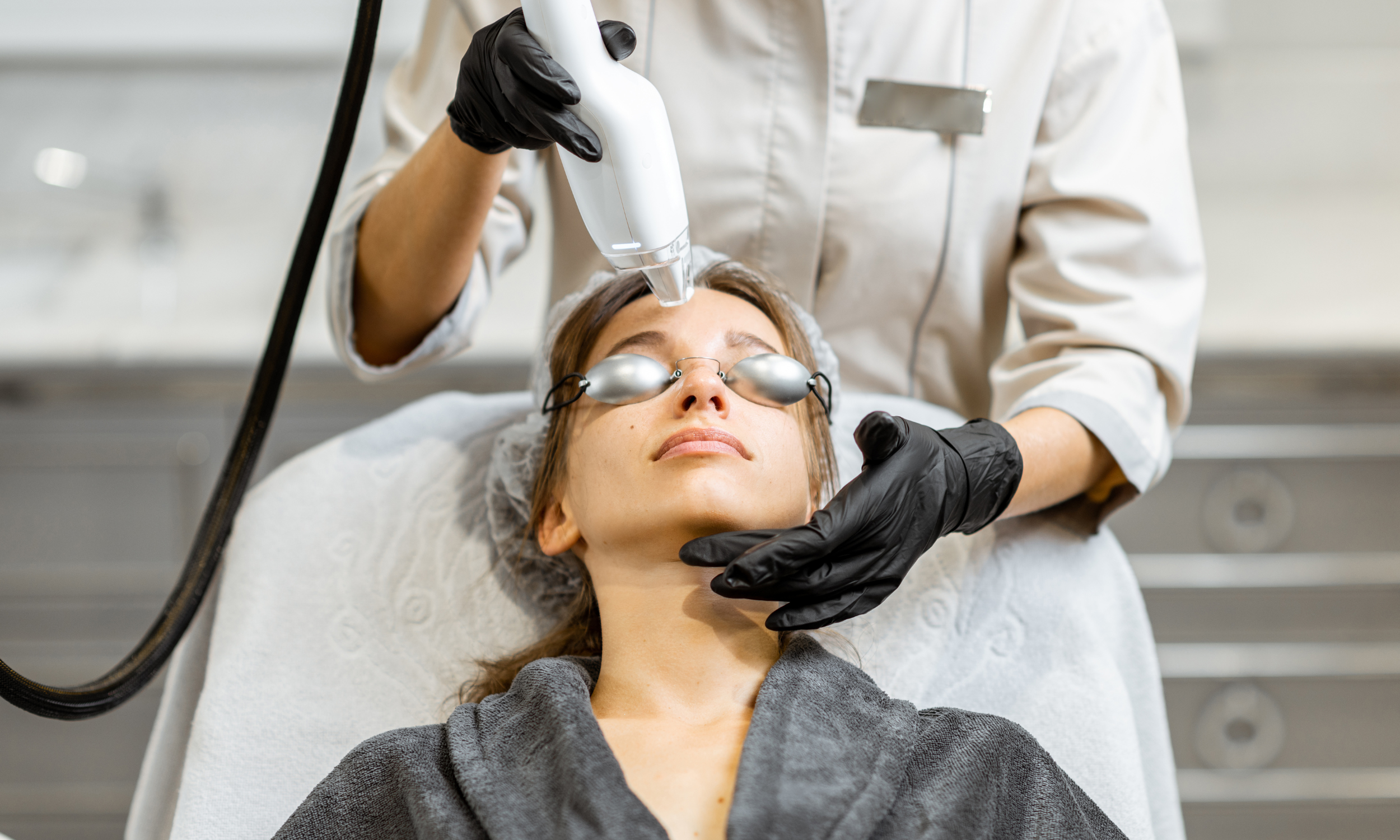
Fall is when most skin resurfacing treatments, from CoolPeel to RF microneedling to IPL, make the most sense clinically.
Less sun exposure means less risk and a smoother recovery.
But timing your treatment is only half the equation.
What you do to your skin in the weeks before resurfacing matters just as much as the treatment itself.
Here's what to do in the weeks before your appointment, why it matters, and how a consultation at New South sets you up to choose the right treatment instead of guessing.
Why Fall Is Resurfacing Season in Fort Mill
Skin resurfacing is a broad term for treatments that work below the surface layer of skin to improve tone, texture, pigmentation, and fine lines.
CoolPeel and CO2 resurfacing use light to remove and stimulate skin cells.
RF microneedling combines tiny needles with radiofrequency energy to rebuild collagen deeper in the dermis.
IPL, or photofacial, targets pigmentation and redness with light energy rather than a laser.
All three make skin more sensitive to UV light for a period after treatment.
That's the reason fall and winter have become the natural season for this kind of work in the Carolinas.
Less sun means less risk of hyperpigmentation, less irritation during healing, and results that hold instead of fighting against a summer's worth of exposure.
If you've noticed sun damage, uneven texture, or enlarged pores catching up with you by August, this is exactly why.
Start With Skin That's Calm, Not Compromised
Resurfacing treatments work best on skin that's already in a stable, healthy state.
If your skin is sunburned, actively broken out, dealing with an active rash, or showing signs of a compromised barrier, meaning it's tight, flaky, or reactive to products it normally tolerates, that's a signal to pause before booking.
Inflamed skin doesn't respond to resurfacing the way calm skin does.
Energy-based treatments add a controlled amount of stress to the skin to trigger the healing and collagen response you're after.
Layer that on top of skin that's already irritated, and you're asking it to do two jobs at once.
The result can be more redness, longer downtime, and results that are harder to predict.
This is why a good provider asks about your skin's recent history before your first treatment, not just on the day of.
If you've had a bad sunburn, a new reaction to a product, or a flare of eczema or rosacea in the last few weeks, mention it.
Addressing that first isn't a delay.
It's what makes the treatment work the way it's supposed to.
Get Intentional About Sun Exposure Now
If fall treatments are on your calendar, your sun habits need to change before October, not after.
Tanning beds and unprotected sun exposure increase the risk of pigmentation issues after resurfacing, sometimes significantly.
Skin that's tan or recently sunburned holds more melanin at the surface, which makes it more reactive to laser and light-based energy.
The fix isn't complicated.
Broad-spectrum SPF 30 or higher, reapplied through the day, every day, not just on beach trips.
If you golf, coach youth sports, or spend weekends outside around Fort Mill and Lake Wylie, this matters more than it might seem.
Consistent daily SPF for the four to six weeks before your appointment gives your skin a calmer, more even baseline to start from.
This isn't a one-time prep step either.
Sun protection carries straight through your fall treatment season and into recovery, when new skin is even more vulnerable to UV.
Talk to Your Provider Before You Change Your Skincare Routine
If you're using retinoids, exfoliating acids like glycolic or salicylic, or benzoyl peroxide, don't just stop cold or assume you need to.
These ingredients affect how your skin responds to resurfacing, and the right move depends on the specific treatment, your skin type, and how your skin has handled these products before.
Some providers ask patients to pause retinoids a few days before certain laser treatments.
Others keep patients on a modified routine right up until treatment.
There isn't one universal rule, which is exactly why this is a conversation with your provider rather than something you decide alone based on something you read online.
Guessing wrong in either direction, stopping products you didn't need to stop, or continuing ones you should have paused, can affect both comfort during treatment and how your skin heals afterward.
Bring your current skincare routine to your consultation.
Every product, every frequency.
It gives your provider what they need to build instructions that fit your skin instead of a generic list.
Plan Around Your Skin and Your Calendar
The best resurfacing outcomes come from patients who plan a few weeks ahead, not the ones booking a treatment the week before a wedding or a big event.
Recent sun exposure, other aesthetic treatments, and healing time all need room to work together instead of competing.
A few things worth mapping out before you book:
Recent sun exposure. Give your skin time to calm down after a beach trip or sunny vacation before starting resurfacing.
Other treatments. If you've had filler, neurotoxin, or another aesthetic treatment recently, your provider needs to know the timeline before adding resurfacing to the mix.
Upcoming events. Resurfacing involves visible redness and peeling for several days, sometimes longer. Book with enough runway before anything you want your skin looking its best for.
None of this means treatment has to happen months out.
It means the conversation about timing happens at your consultation, not the morning of.
Why Your Consultation Comes Before Your Treatment Choice
CoolPeel, IPL, RF microneedling, a chemical peel. Each one does something different, and the right choice depends on your skin, not a trend you saw online.
That's the reason The MedSpa at New South starts with a consultation instead of letting patients pick a treatment off a menu.
At your consultation, your specialist looks at your skin condition, your specific concerns, your current skincare, your medical history, and what you're actually trying to achieve.
Someone dealing with sun spots and redness is often a better candidate for IPL.
Someone concerned with texture and fine lines may get more out of RF microneedling or CoolPeel.
Someone managing both might be a candidate for a combined approach.
New South is one of the only MedSpas in Fort Mill with a physician in-house, so your treatment plan isn't built in isolation from the rest of your health picture.
Rebecca, a New South patient, described her CoolPeel consultation this way: her provider "didn't rush through the treatment, she really took her time, and concentrated on my concerns."
That's the standard for every consultation, not the exception.
New South holds a 5.0-star rating across Google reviews, and patients consistently point to that same thing: a provider who explains the why behind a recommendation instead of upselling a service.
Frequently Asked Questions
-
Fall and winter are typically the best time for skin resurfacing because reduced sun exposure lowers the risk of pigmentation issues during healing. Most patients in Fort Mill plan resurfacing treatments between October and March for this reason.
-
Start with calm, non-irritated skin, commit to consistent daily SPF several weeks out, and talk to your provider about any retinoids or exfoliating acids in your routine. A consultation before treatment helps confirm your skin is ready.
-
Avoid tanning, unprotected sun exposure, and recent sunburn before either treatment. You should also confirm with your provider whether to pause active ingredients like retinoids or acids in the days leading up to your appointment.
-
No. IPL uses broad-spectrum light to target pigmentation and redness at the skin's surface, while treatments like CoolPeel and CO2 resurfacing work more directly on skin texture using laser energy. Your provider can help determine which fits your goals.
-
This depends on the severity of exposure and the treatment, which is why it's discussed at your consultation rather than governed by a fixed rule. As a general practice, recent sunburn or tanning should be fully resolved before scheduling.
-
The MedSpa at New South in Fort Mill offers in-person consultations for CoolPeel, RF microneedling, IPL, and chemical peels, with a physician in-house to support your overall treatment plan.
The Season to Start Planning Is Now
Fall resurfacing season works because your skin has room to heal without fighting the sun.
But the weeks before your appointment do real work too, from how you're protecting your skin now to the products sitting in your bathroom cabinet.
You don't have to figure out which treatment is right on your own.
A consultation with one of New South's Master Aestheticians walks through your skin, your goals, and your history, and builds a plan around what your skin actually needs this season.
